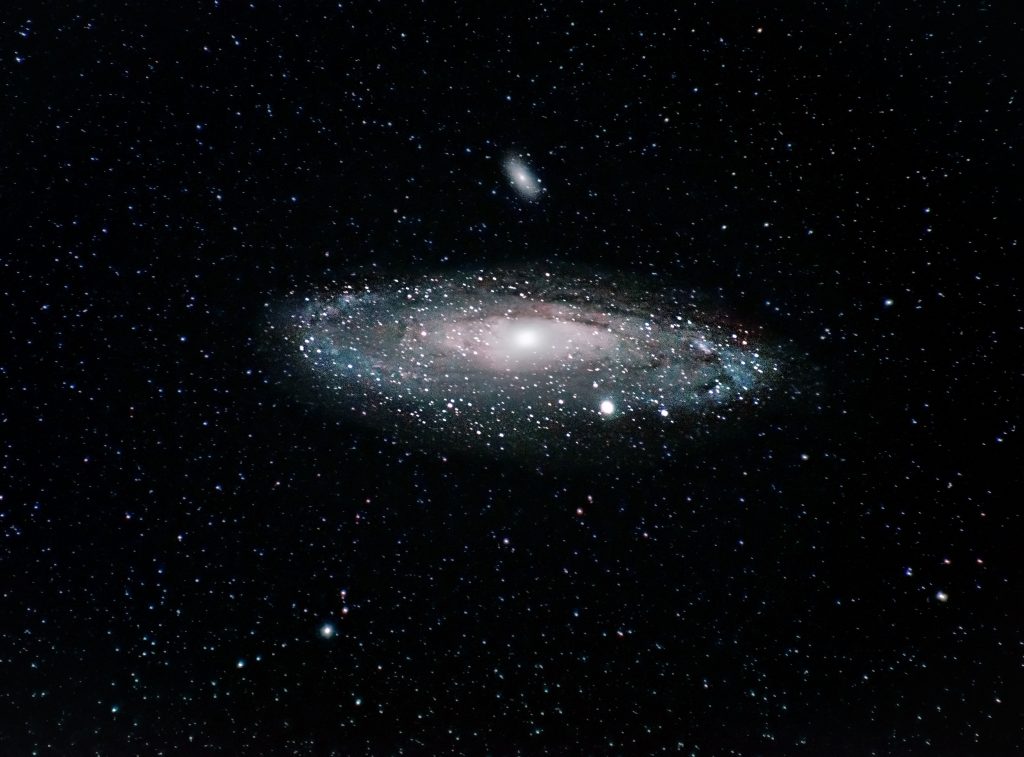
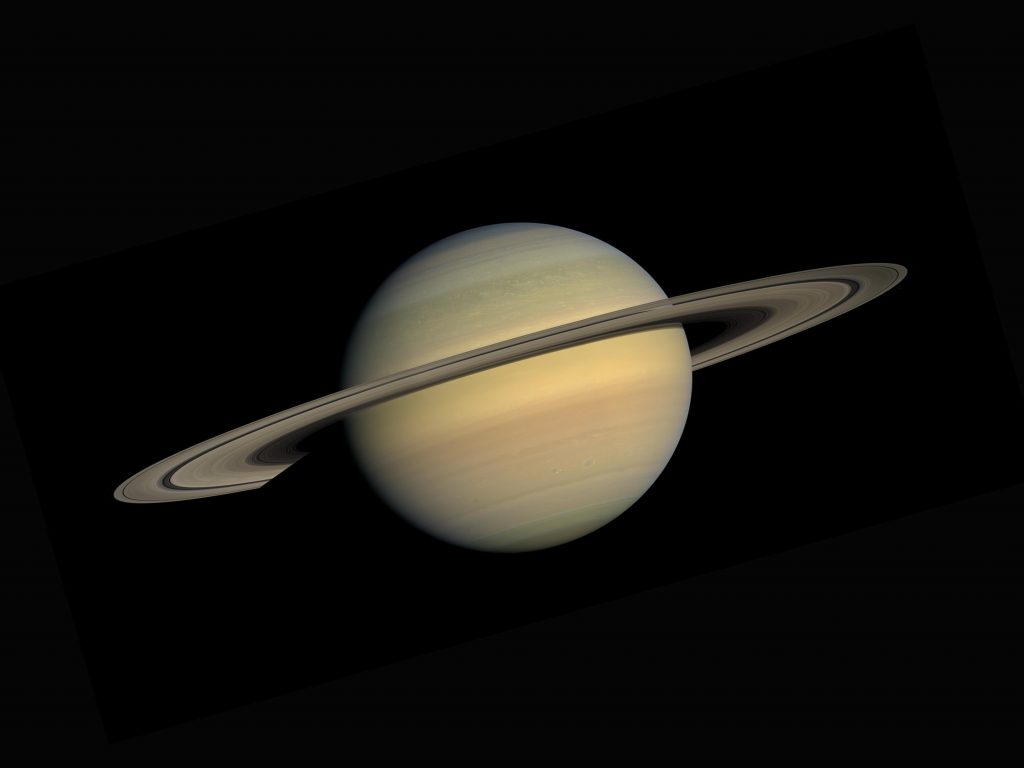
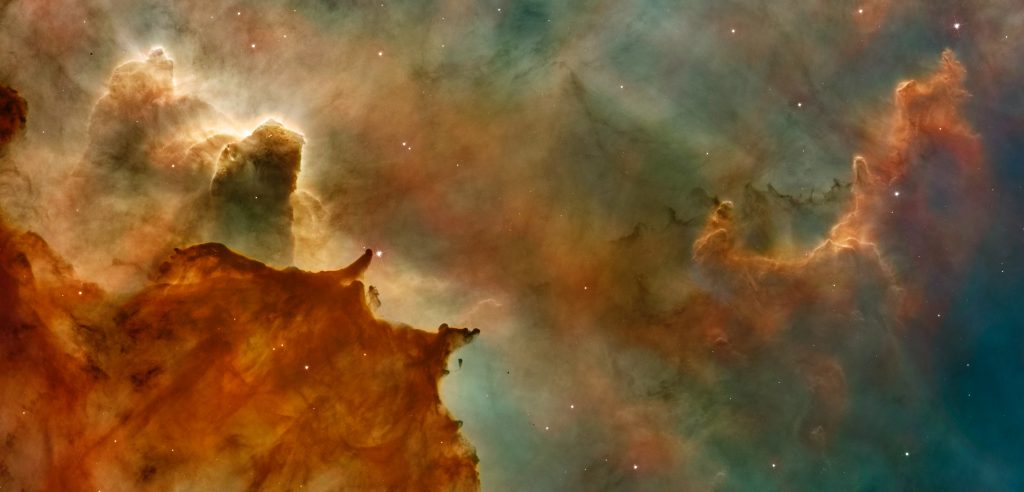
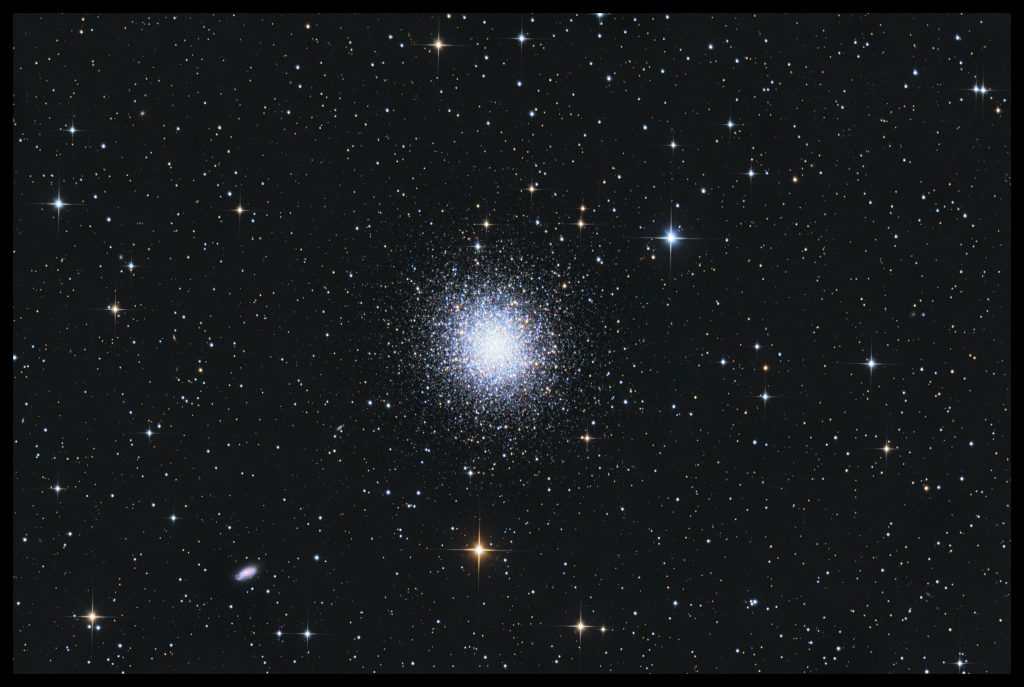
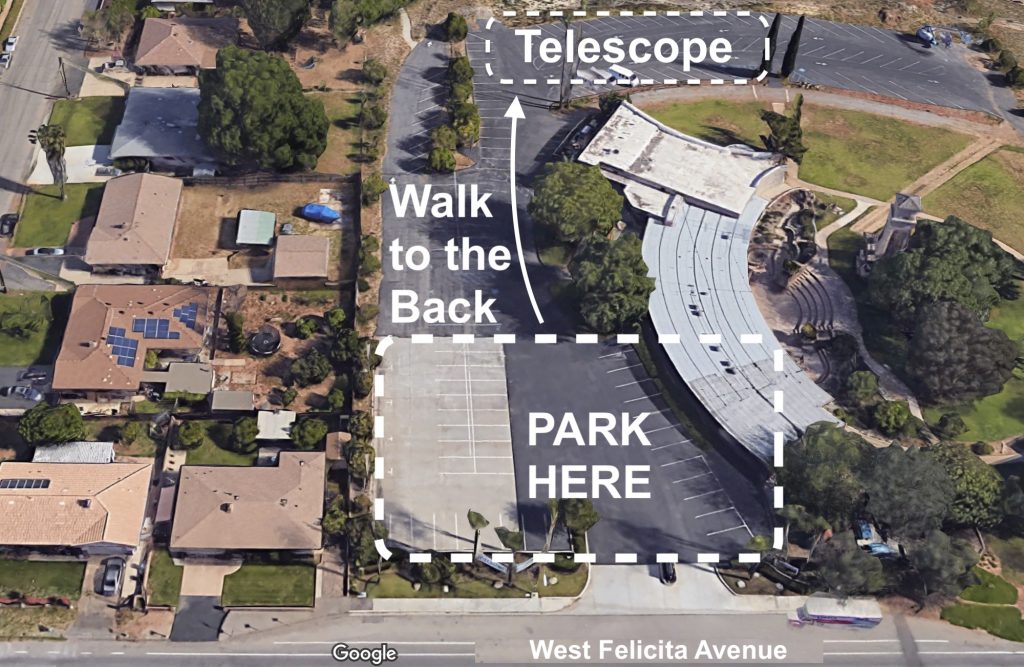
All Home School families (andanyone else who may be curious) are invited to come and look through a large (12.5″ aperture)reflecting telescope.
WHAT?
Throughout the course of the evening, planets, star clusters, galaxies, nebulae, and possibly other celestial objects will be on display.
WHY?
If you come with an open mind and heart, you will see the Glory of Jesus our Creator God in the heavens.
“In the beginning was the Word, and the Word was with God, and the Word was God. He was in the beginning with God. All things were made through him, and without him was not any thing made that was made.” – The Apostle John
WHEN?
This event is scheduled for Tuesday, 10 October 2023, but (if it is a rainy evening or if the sky is overcast) the date will be the following day, Wednesday 11 October 2023.
Viewing through the telescope will be between 6 PM and 11 PM. You and your family may come and go as you please during those hours.
Here are a few things to read and think about before you come out for Astronomy Night…
The Universe is HUGE
As mankind has developed better telescopes, our understanding of how large the universe is has expanded greatly. Astronomers believe we can see almost 47 billion light years in any direction, making the diameter of the universe about 93 billion light years. It may even be much larger…
There are trillions of galaxies
The further we look and the more powerful our telescopes, the more we see. The Hubble Space Telescope opened our eyes to many unexpected discoveries. Recent estimates put the number of galaxies in the universe at two trillion. We can now see even more and further with the James Webb Space Telescope.
How many planets are there in the universe?
Only in the last thirty years have we begun discovering and observing “exoplanets,” which are planets outside of our solar system. As of October 2022, more than 5000 have been confirmed. This gives us strong reason to believe there are trillions.
Click the images below and learn about…
GalaxiesPlanets
NebulaeStar Clusters
Do’s, Don’ts, and Other Notes
We’re looking forward to having you join us! Here’s how to ensure we’ll all have a great evening:
Please DO:
Wear warm clothing, as this is a nighttime outdoor event and it may well be cold
Bring a thermos of hot chocolate or coffee in case you get chilled
Anticipate seeing—with your own eyes!—some amazing things you’ve never seen before
Bring binoculars if you can; you may be surprised at what you can see if you have a pair
Ask questions! And be prepared to hear me say: “I don’t know, but please let me know when you find out.”
Share your knowledge and your binoculars with one another
Please park in the front parking lot, and kill your headlights as soon as possible
Please DON’T:
Please DO NOT bring a flashlight – light affects our eye’s dark adaptation. See below for safe, acceptable, alternative red light options
Please try not to shine your vehicle’s headlights toward the back parking lot
Please don’t let any youngsters in your company run wild
Don’t allow yourself to be disappointed because of unreasonable expectations(see below)
Things to Be Aware Of
Most of the pictures you’ve seen of celestial objects were taken through very expensive and sophisticated telescopes or (in many cases) by spacecraft. They are fascinating and spectacularly beautiful. What you need to be aware of is this:
What you will see through a 12.5″ aperture telescope (with the possible exception of some star clusters) will be faint, monochromatic (i.e. white or pale, pastel coloration) and not nearly as impressive as the photos you’ve seen—even photos on this website.
Even so, IMNSHO (In My Not So Humble Opinion), there is something remarkable about seeing—with your very own eyes—these amazing artifacts, objects that came into being as Jesus our Lord spoke them into existence.
Eyes Adjust to the Dark VERY SLOWLY…
That is why it is important to give them time and opportunity to adjust. They reach an initial level in about ten minutes, but best performance only comes after two hours or more. This is called dark adaptation.
You can read much more about the incredibly wide range Jesus designed into our eyes’ ability to deal with changes in brightness, as well as many more fascinating details here.
That is why the next few paragraphs are so important:
No Flashlights; Seriously, NO FLASHLIGHTS!! Please use these instead:
Please download and try out the red light app at home. At the event, please keep the light in RED mode, and adjust it to be only as bright as you absolutely need. THANK YOU! And everyone’s eyes will thank you.
Contact
Hi There, and Thanks For Reading!
I’m looking forward to being your host for Astronomy Night.
Please review this website carefully for the information you may need as you prepare for the event.
However, should you have a specific question you don’t find covered here, please send me an email.
You can reach me at:
astro at subarcsec dot com
(You know how to put that together into an email address, right? I wrote it that way to avoid those annoying “SPAM-Bots.” 😀)
New! Try this excellent, easy-to-use web version; of Stellarium. Highly recommended! Take a little time to learn how to use Stellarium; set it for Escondido; you won’t be disappointed!
No Flashlights; Seriously, NO FLASHLIGHTS!! Please use these instead: